





As parents, we watch our children’s every move with a mixture of pride and curiosity. From that first roll to the triumphant solo walk, each physical milestone is a celebration. Sometimes, however, a child’s development takes a unique path, and knowing when to seek guidance can make a significant difference.
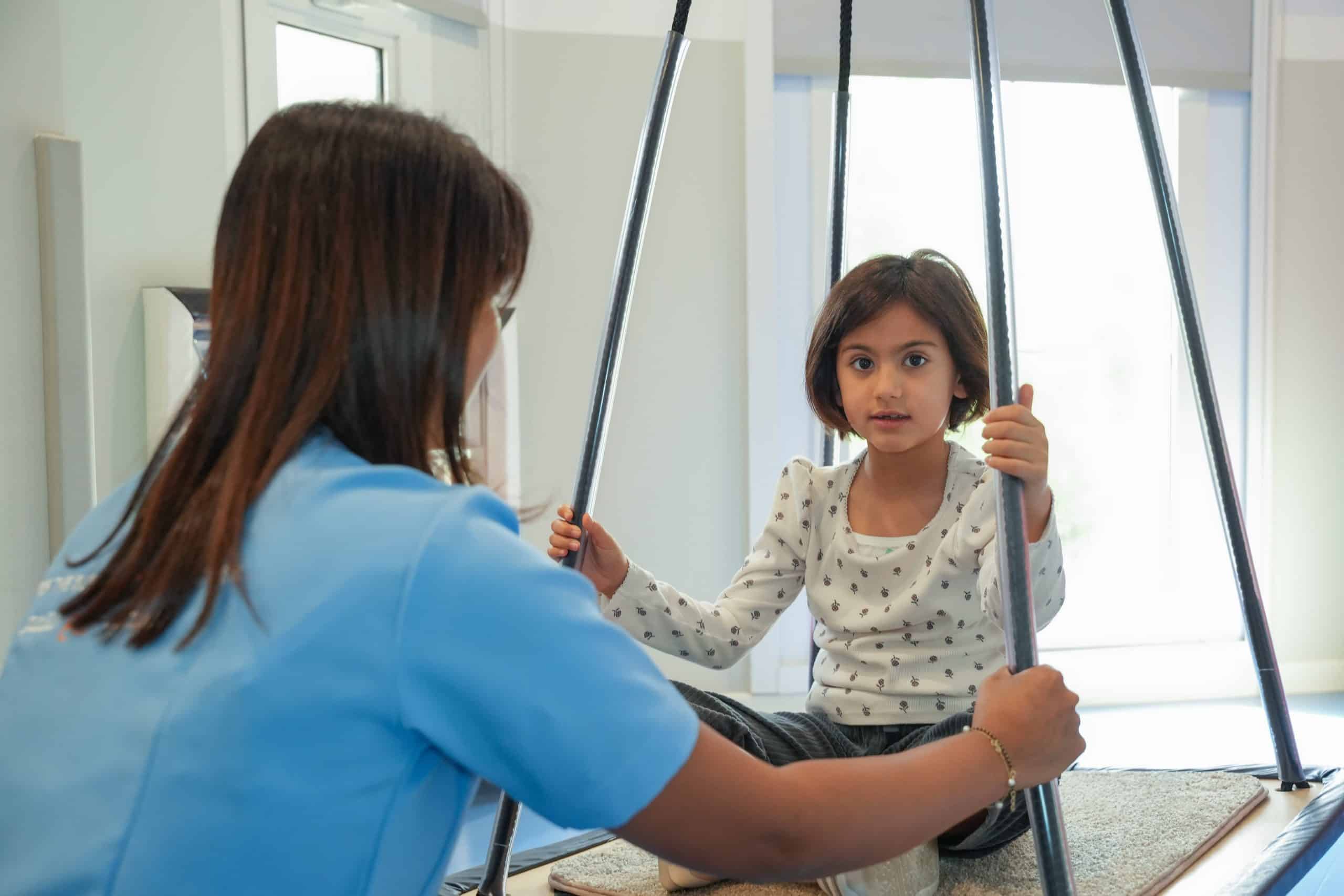
Pediatric physiotherapy Dubai offers support for a variety of childhood physical challenges, helping children build strength, coordination, and confidence.
Delayed motor milestones:
A primary reason to consult a pediatric physiotherapist is a noticeable delay in reaching motor milestones. This includes activities like rolling over, sitting up without support, crawling, or walking. While every child develops at their own pace, a substantial lag behind typical age ranges is a clear indicator. A professional assessment can determine if there is an underlying cause and create a program of specific exercises and activities to encourage progress.
Unusual walking patterns:
Observing your child’s walking pattern can provide important clues. Persistent toe-walking beyond the age of three, a frequent limp, or an otherwise awkward gait are signs to investigate. A physiotherapist can analyze these patterns, identify possible issues with muscle tightness, joint alignment, or balance, and guide activities that promote a healthier walking style.
Poor balance and frequent falling:
All toddlers fall, but consistent clumsiness and falling well beyond the toddler years can point to balance or coordination difficulties. If your child struggles with activities like standing on one foot, walking on a straight line, or appears unusually unsteady compared to peers, an evaluation is a good idea. Therapy would focus on balance-building activities and coordination drills.
Difficulty with age-appropriate physical activities:
Take note if your child consistently avoids physical play or has obvious trouble with activities their friends manage easily. This might include an inability to pedal a tricycle, jump with both feet, catch a ball, or climb playground structures. A physiotherapist can help build foundational skills through playful, targeted activities that improve strength and motor planning.
Low muscle tone or stiffness:
Some children exhibit hypotonia, or low muscle tone, making them appear “floppy” with poor posture and joints that seem overly flexible. Others may display high muscle tone, or hypertonia, resulting in stiffness and rigid movements. Both conditions can affect motor skills. A physiotherapist designs activities to either strengthen weak muscles or gently stretch and relax tight ones.